INTERCULTURAL COMMUNICATION TRAINING PROGRAM
1.Curriculum, Learning Outcomes and Certificate Verification
This webpage serves as the official programme information and curriculum reference for individuals and institutions seeking to understand the academic content associated with certificates issued under the Intercultural Training Program.
Each certificate bears a unique serial number to support identification and verification.
The serial number should correspond exactly to the number printed on the participant's certificate.
(See List of awardees and their serial numbers in paragraph 7.)
2. About the Program
The Intercultural Training Program was organised by Lakuna Institute , International Partnership for African Development and Faculty of Social Sciences of the Kwame Nkrumah University of Science and Technology (Socioso-KNUST), to strengthen participants understanding of culture, intercultural communication, and effective engagement across diverse cultural contexts.
3. Program Details
- Program Title: Intercultural Communication Training Program
- Trainer: Philina Wittke
- Trainer's Position: EU Projects Lead, Goethe-Institut, Johannesburg, South Africa
- Program Duration: Six sessions
- Session Format: Interactive lectures, self-reflection, case studies, role-playing, group work, and collaborative learning activities
4. Curriculum
The program comprised six sessions covering the following topics.
Session 1: Foundations of Culture
- Perception and interpretation
- Culture and identity.
Session 2: History of a Discipline
- Halls definition of culture
- Social Identity Wheel
Session 3: What Is Culture?
- Social Identity Wheel and Sorrells
- Hofstedes definition of culture
Session 4: Communication Across Cultures
- Verbal and non-verbal communication
- Material culture
Session 5: Managing Intercultural Conflict
- Verbal and non-verbal communication (continued)
- Hierarchy and power distance
- Cultural conflict and social justice
Session 6: Cultural Values and Expectations
- Time orientation
- Space orientation
- Global Citizenships and Reflection
5. Teaching Methodology
Rather than relying exclusively on theoretical instruction, the program encouraged participants to engage critically with cultural concepts and apply their learning to practical situations.
The teaching methods included:
- Self-reflection and guided discussions
- Introduction to intercultural theories and conceptual frameworks
- Role-playing and scenario-based exercises
- Case studies and practical problem-solving
- Interactive quizzes and learning sprints
- Group work and collaborative activities
- Reflection on cultural assumptions, identities, and experiences
These methods were intended to promote active participation, critical thinking, perspective-taking, and the practical application of intercultural knowledge.
6. Learning Outcomes
Through participation in the programme, participants were introduced to concepts and approaches intended to help them:
1.. Understand the relationship between culture, identity, perception, and interpretation.
2..Recognise how cultural backgrounds influence verbal and non-verbal communication.
3..Examine social identities and established theoretical approaches to understanding culture.
4..Identify how hierarchy, power distance, and cultural expectations can influence interpersonal relationships.
5..Understand potential sources of intercultural misunderstanding and conflict.
6..Reflect on cultural values relating to time, space, and social interaction.
7..Develop greater intercultural awareness, empathy, and sensitivity towards different perspectives.
8..Apply intercultural communication principles to academic, professional, and everyday situations.
9..Reflect on global citizenship and the importance of mutual understanding and respectful engagement across cultures.
7.. List of Certificate Recipients
This certificate was awarded to the following participants with their respective serial numbers:
Participant's Full Name | Certificate Serial Number
1[Participant's Full Name] | [Certificate Serial Number]
2 [Participant's Full Name]|[Certificate Serial Number]
3[Participant's Full Name]|[Certificate Serial Number]
4[Participant's Full Name]|[Certificate Serial Number]
5[Participant's Full Name]| [Certificate Serial Number]
Download Research Article
Get the full PDF version of this research article
Related Articles


Latest News
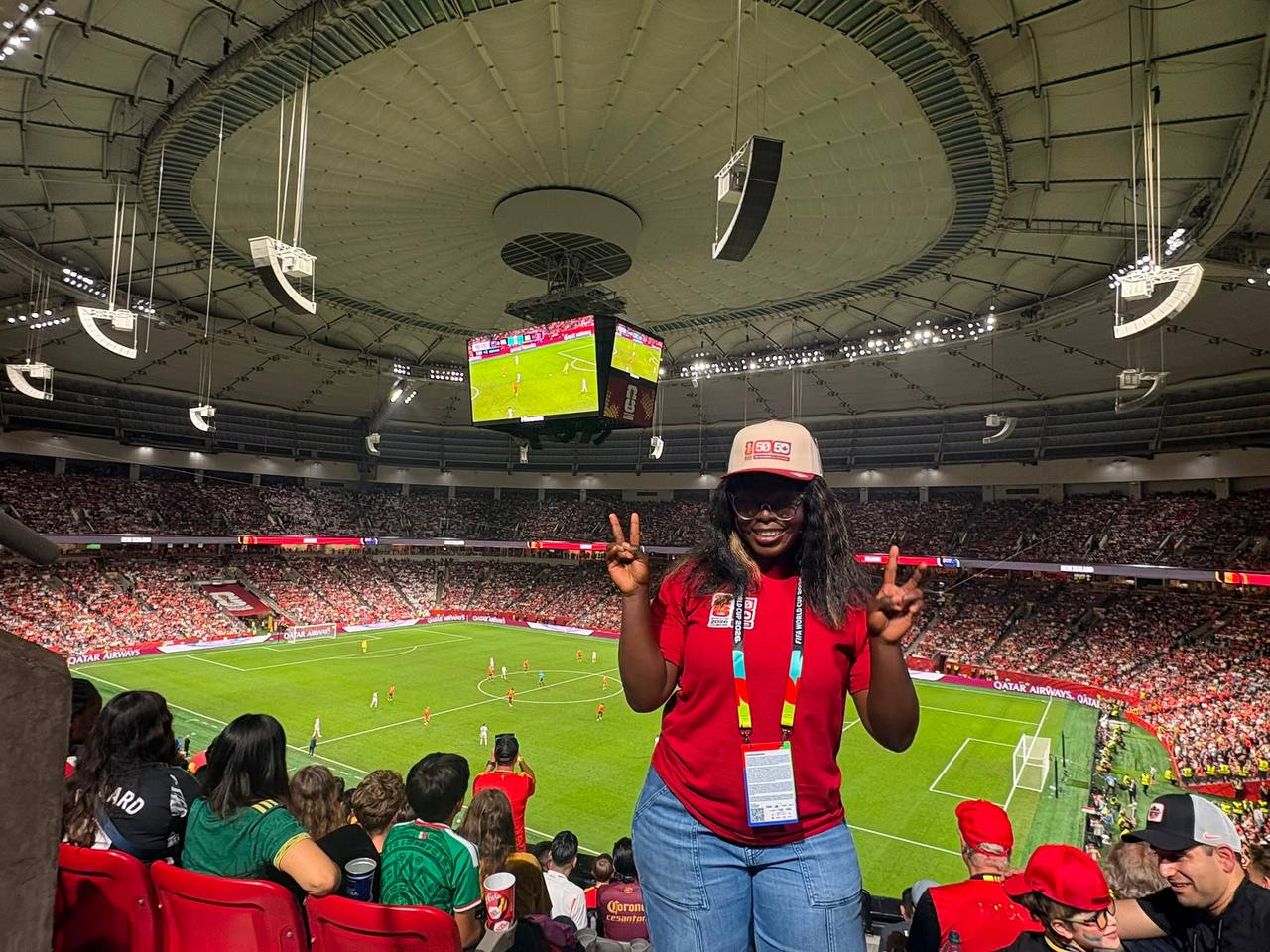
Celebrating Our Programs/Projects Director's Volunteer Contribution at the 2026 FIFA World Cup in Canada.

EXECUTIVE DIRECTOR FOR IPAD ENGAGES WITH EUROPEAN UNION LEADERSHIP IN GERMANY

IPAD ENGAGES WITH AMBASSADOR OF GHANA TO RUSSIA ON THE WELFARE OF GHANAIAN STUDENTS
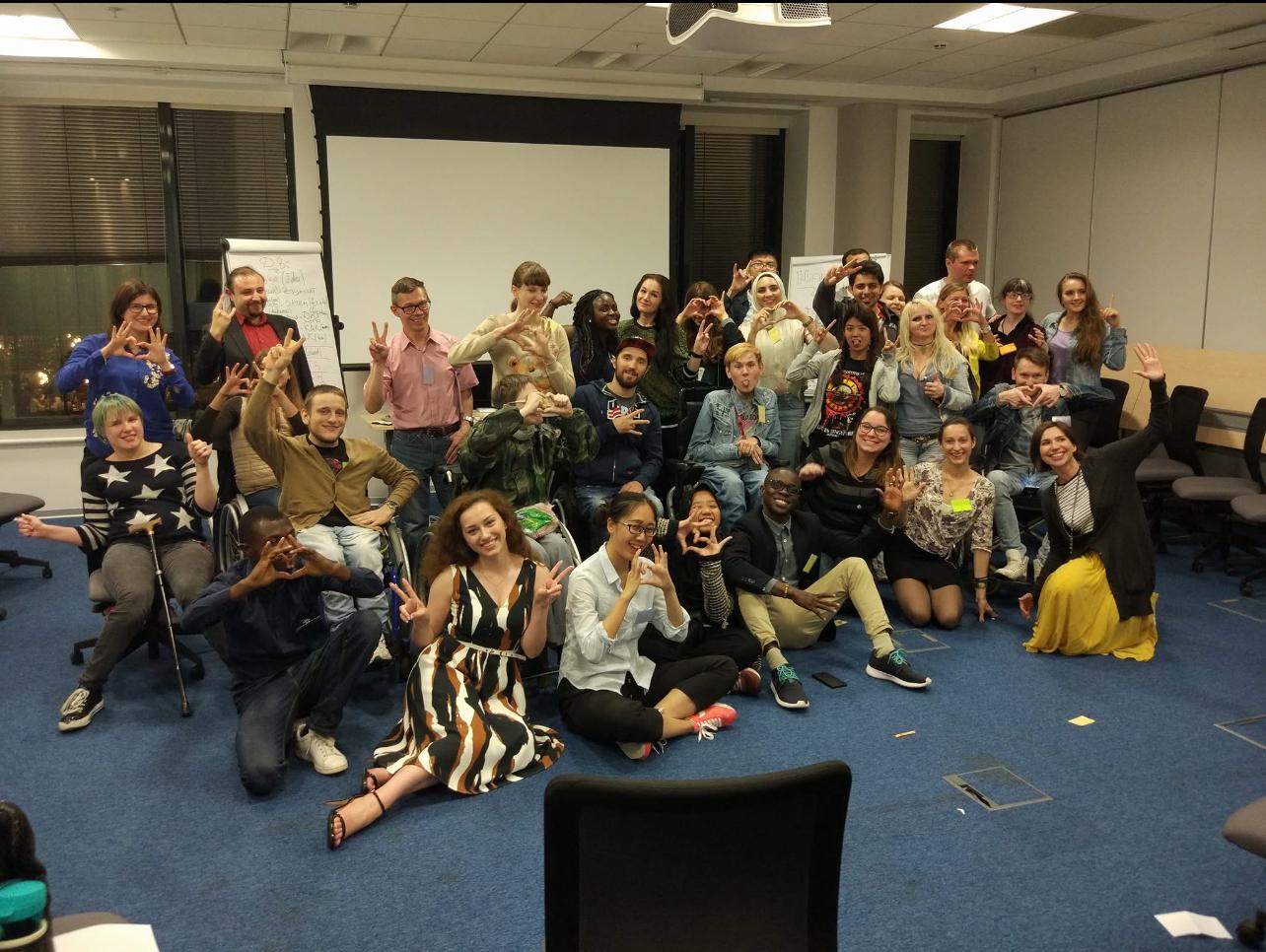
PROJECTS DIRECTOR FOR IPAD VOLUNTEERS TO SUPPORT PEOPLE WITH DISABILITIES GLOBALLY